Large Montessori Triangle And Ramp For Montessori Play
Exploring Age-Appropriate Montessori Climber Activities for 2025
In the world of early childhood training, Montessori strategies emphasize hands-on learning and independence. Among the varied Montessori activities, climbers present a novel opportunity for children to engage in bodily play whereas creating important skills. This article delves into age-appropriate Montessori climber actions, highlighting their benefits and how they can be effectively built-in into instructional settings.
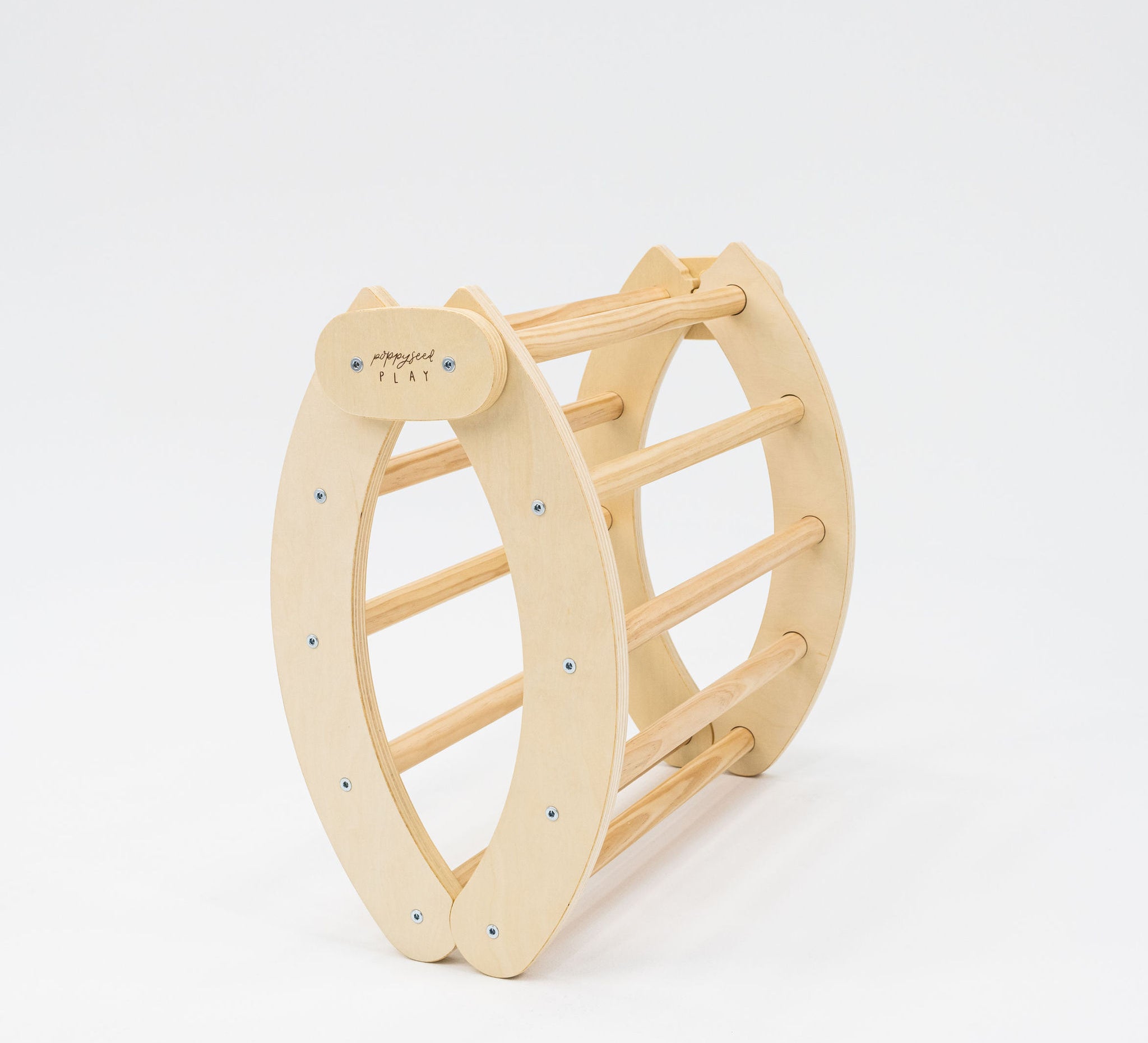

Understanding Montessori Climbing Structures
- Definition and purpose of Montessori climbing constructions. Importance of bodily activity in baby development. How climbers improve motor skills and coordination.
Montessori climbing constructions are designed to encourage exploration and movement by way of safe and fascinating play (pikler triangle and slide). These buildings can embrace ramps, ladders, and various surfaces that enable children to climb, slide, and navigate different heights. Engaging in these actions fosters not solely bodily strength but in addition necessary developmental milestones similar to balance and coordination
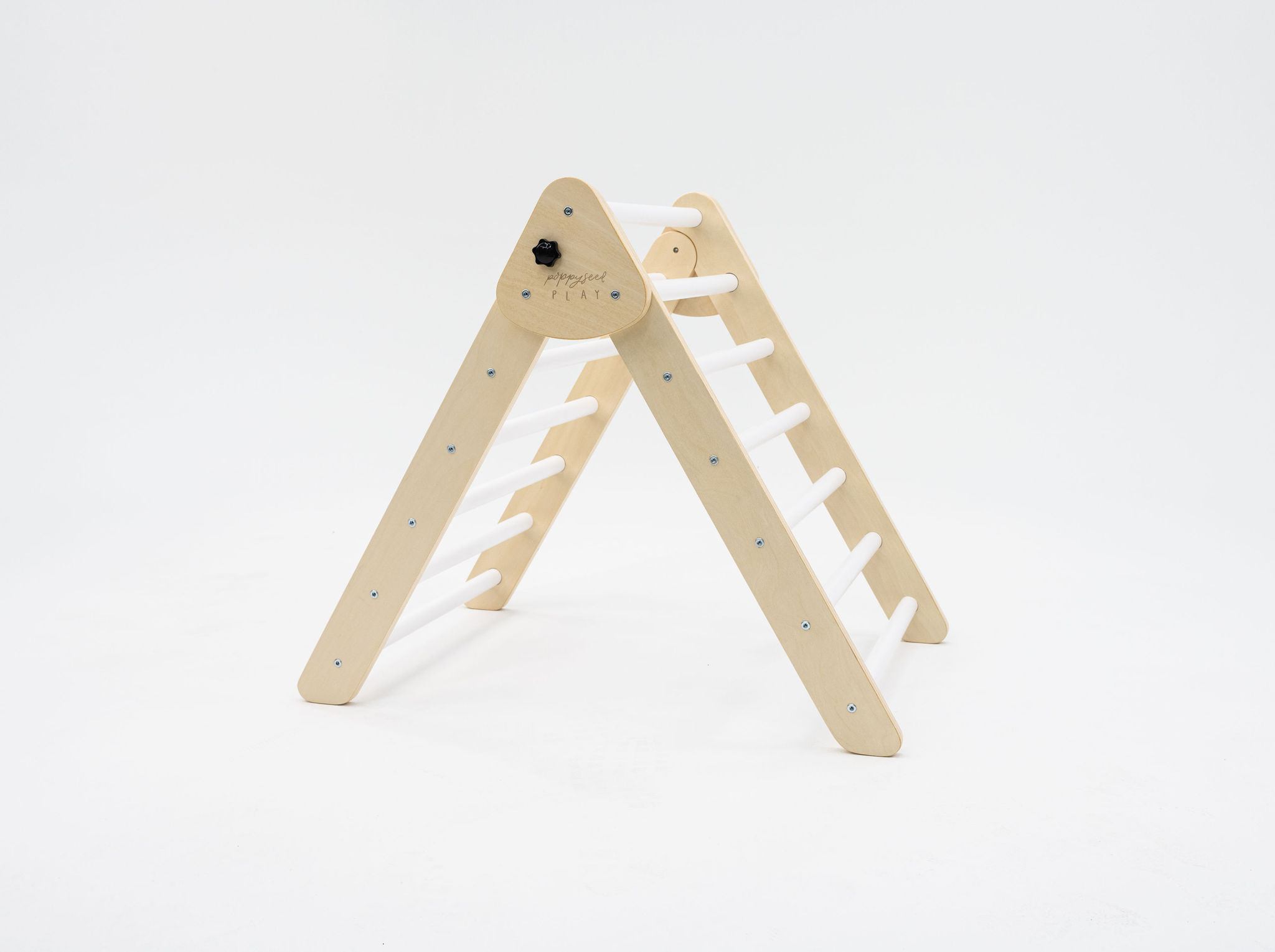
Benefits of Climbing Activities in Montessori Education
- Promotes gross motor skills and physical fitness. Enhances social interplay and cooperative play. Encourages problem-solving and critical pondering.
Climbing actions in a Montessori setting provide quite a few advantages. Youngsters develop their gross motor skills as they climb and maneuver around the structure. This physical engagement encourages social interplay, as kids usually play together, sharing ideas and supporting one another of their climbing adventures. Moreover, navigating the climber promotes problem-solving and critical thinking, as youngsters assess risks and make choices on tips on how to scale the equipment safely.
For Toddlers Best Climbing Triangle Montessori Approved
Age-Specific Climbing Activities for Younger Children
- Activities suitable for infants and toddlers. Climbing video games for preschoolers. Advanced challenges for older kids.
For infants and toddlers, low-profile climbers are perfect, permitting them to explore with minimal threat. Simple activities like crawling up a gentle slope or sliding down a small ramp construct confidence and bodily skills. Preschoolers can get pleasure from more structured climbing video games, such as “Follow the Leader,” where they mimic actions demonstrated by friends or caregivers. are pikler triangles safe. For older kids, contemplate introducing more complex challenges, such as impediment courses that require them to climb, leap, and navigate between numerous climbers
Creating a Safe Climbing Environment
- Essential safety pointers for climbing areas. Materials and equipment recommendations. Supervision and adult involvement methods.
Safety is paramount in terms of Montessori climber actions. Guarantee that climbers are constructed from sturdy, non-toxic materials with rounded edges to prevent accidents. Delicate mats or grass ought to line the world to cushion falls. Adult supervision is essential; caregivers must actively interact with children throughout climbing actions to offer guidance and help. Establishing clear safety guidelines will assist domesticate a safe setting the place youngsters can freely explore and take calculated dangers.
Incorporating Climbing into Daily Routines
- Integrating climbing activities into lesson plans. Setting aside particular instances free of charge play. Encouraging outdoor exploration and natural climbing.
Incorporating climbing activities into daily routines can improve youngsters's total expertise. Educators can integrate climbing into lesson plans by linking bodily activity to lessons https://writeablog.net/erforeerhn/sturdy-pikler-triangle-ramp-diy-with-extension-set about nature, physics, or teamwork. Designate specific instances for free play with climbers to have the ability to foster creativity and unbiased exploration. Additionally, encourage outdoor exploration, using trees, rocks, and other pure features to broaden climbing alternatives beyond structured equipment.
Diy Wooden Triangle Climber Suitable For Small Spaces
Monitoring Development and Development Through Climbing
- Tracking progress in bodily ability and confidence. Observing social interactions and teamwork skills. Adjusting actions based mostly on particular person needs.
Monitoring youngsters's growth by way of climbing activities permits educators to tailor experiences based mostly on particular person wants. Maintain track of every kid's physical abilities and confidence levels as they interact with climbing constructions. climbing wall triangle. Observe social interactions, noting how kids work collectively or support one another. Adjust activities as necessary to make certain that all youngsters are challenged appropriately without feeling overwhelmed, thus selling a optimistic studying ambiance
Conclusion: Embrace Climbing for Holistic Development
Age-appropriate Montessori climber actions serve as an engaging method to promote bodily, social, and cognitive development in young youngsters. By understanding the advantages and creating a secure, supportive setting, educators can harness the power of climbing to reinforce kids's studying experiences. Embrace these activities in your academic space—watch as children grow in confidence, strength, and collaborative skills!